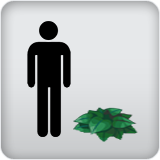

Height: 12 inches
Spacing: 16 inches
Sunlight:

Hardiness Zone: (annual)
Other Names: Winter Sweet Marjoram
Description:
Grown primarily in herb gardens for culinary use and noted for very flavorful leaves; does well in sandy loam, good heat and drought tolerance; attractive in containers but has minimal ornamental features
Edible Qualities
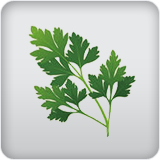
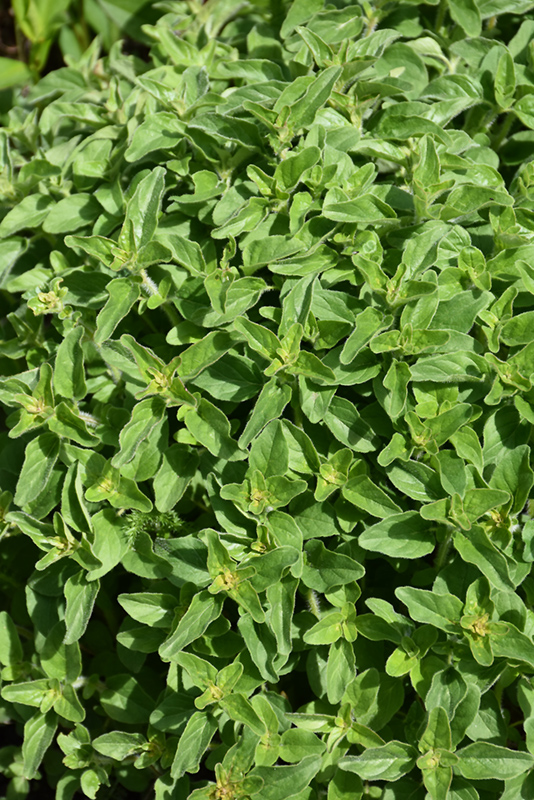
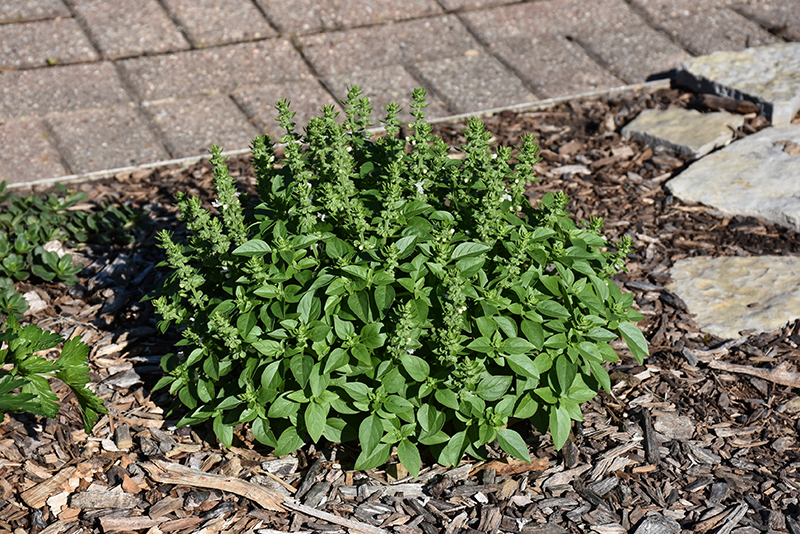
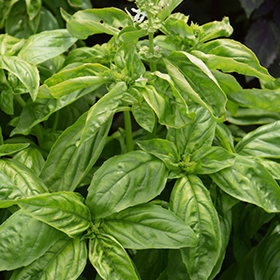
Greek Oregano is an annual herb that is commonly grown for its edible qualities, although it does have ornamental merits as well. The fragrant oval green leaves which emerge chartreuse in spring are usually harvested from late spring to mid summer. The leaves have a spicy taste and a distinctive fragrance.
The leaves are most often used in the following ways:
Planting & Growing
Greek Oregano will grow to be about 12 inches tall at maturity, with a spread of 18 inches. When grown in masses or used as a bedding plant, individual plants should be spaced approximately 16 inches apart. Its foliage tends to remain dense right to the ground, not requiring facer plants in front. Although it's not a true annual, this fast-growing plant can be expected to behave as an annual in our climate if left outdoors over the winter, usually needing replacement the following year. As such, gardeners should take into consideration that it will perform differently than it would in its native habitat.
This plant can be integrated into a landscape or flower garden by creative gardeners, but is usually grown in a designated herb garden. It should only be grown in full sunlight. It prefers dry to average moisture levels with very well-drained soil, and will often die in standing water. It is considered to be drought-tolerant, and thus makes an ideal choice for a low-water garden or xeriscape application. It is not particular as to soil type or pH. It is somewhat tolerant of urban pollution. This species is not originally from North America.
Greek Oregano is a good choice for the edible garden, but it is also well-suited for use in outdoor pots and containers. It is often used as a 'filler' in the 'spiller-thriller-filler' container combination, providing the canvas against which the thriller plants stand out. Note that when growing plants in outdoor containers and baskets, they may require more frequent waterings than they would in the yard or garden.